
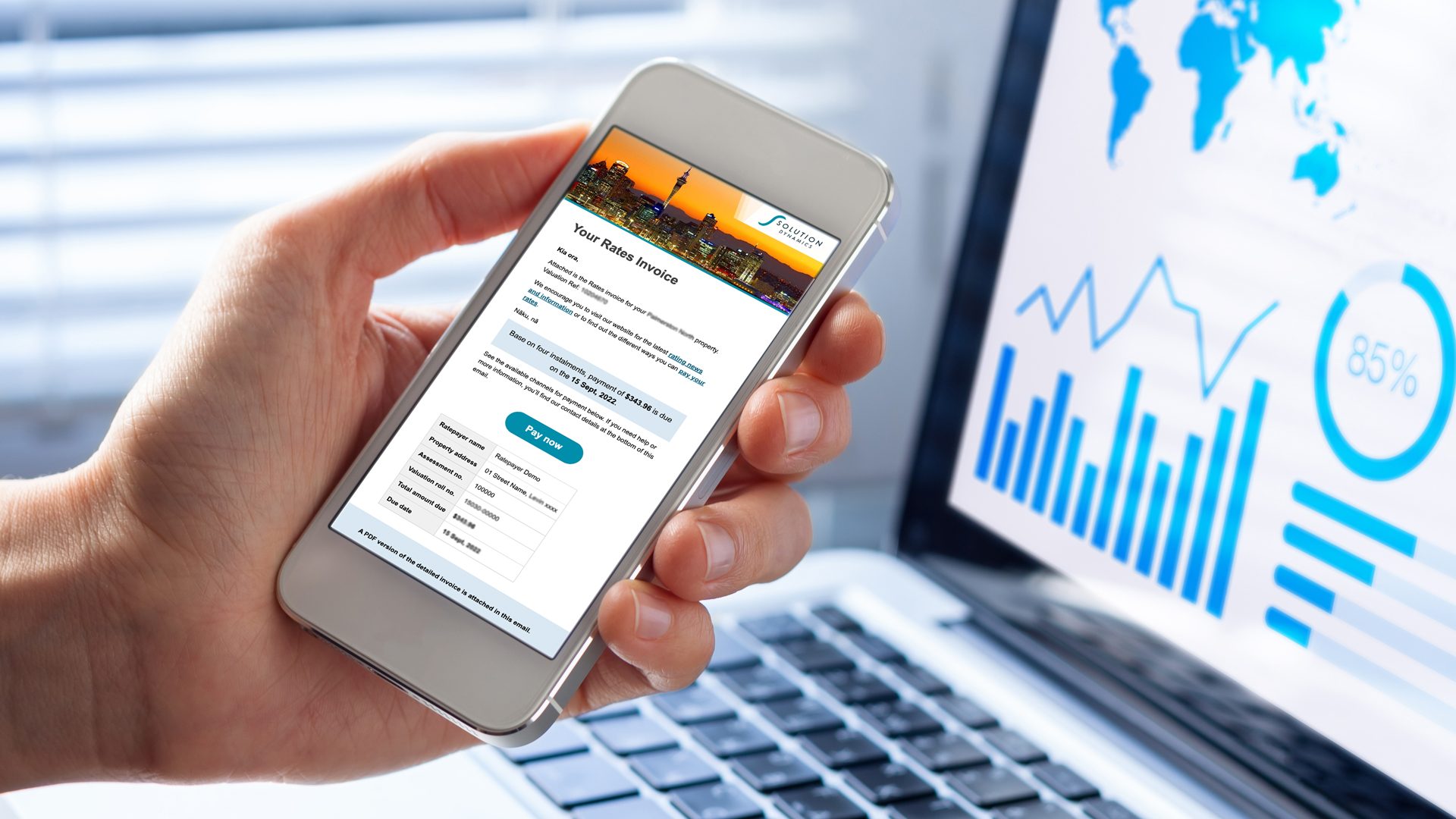
Language Diversity: A Critical Customer Experience (CX) Challenge
Our world is linguistically diverse, with approximately 7,151 languages spoken globally. However, only about 23% of the world's population speaks English, highlighting a critical communication challenge for utility companies serving diverse populations.
Utility and energy organizations regularly communicate vital information to their customers regarding billing, nonpayment policies, service updates & disruptions, safety procedures, emergency notifications, environmental concerns – all according to industry standards.
Language translation is a necessity to ensure that all customers, regardless of their language proficiency, have equal access to information and services.
Language Statistics
- Approximately 75% of global consumers prefer communication in their native language
- Multilingual support can increase customer satisfaction by up to 86%
- 23% of the world’s population speaks English
- Immigration across the US has increased
- Energy and utility service providers are becoming increasingly global
Cultural Sensitivity and Communication
Effective multilingual communication extends beyond word-for-word translation, requiring an awareness of cultural nuances and communication contexts. This involves understanding not just the words, but the underlying meanings, non-verbal cues, and cultural sensitivities that shape how messages are perceived and interpreted across different linguistic communities.

Challenges of Manual Translations
Manual translators face numerous challenges that arise from language barriers. A translator can make an enemy out of a customer or community with a mistake.
Time and Resource Intensity
Manual translations are time-consuming and resource intensive. Professional translators require extensive time to accurately translate complex documents, especially those with technical or legal terminology. A single document can take hours or even days to translate, creating substantial bottlenecks in customer communication workflows.
Cost Implications
The financial burden of manual translations is considerable. Professional human translators typically charge between $0.10 to $0.25 per word, with specialized technical or legal translations costing up to $0.50 per word. For utility companies managing high-volume communications, these costs can quickly escalate into hundreds of thousands of dollars annually.
Consistency and Quality
Human translators, despite their expertise, introduce inherent variability in translation quality. Different translators may interpret technical terms or contextual nuances differently, leading to inconsistent messaging across multiple documents or communication channels. This inconsistency can create confusion and potentially misrepresent critical information.
Scalability Limitations
Manual translation processes struggle to scale with organizational growth or rapidly changing communication needs. As service areas expand and language requirements diversify, maintaining a comprehensive team of professional translators becomes increasingly complex and expensive.
Compliance and Accuracy Risks
In sectors like utilities where precise communication is crucial, manual translations carry significant compliance risks. Technical inaccuracies, misinterpretations of legal terminology, or cultural misunderstandings can lead to miscommunication, potential legal challenges, and reduced customer trust.
Barriers to Eliminating Language Obstacles
Technological Limitations
Technological limitations are a significant challenge for utilities that are integrating advanced systems with existing communication infrastructure. This requires substantial technical expertise and investment.
Resource Constraints
Resource constraints further complicate multilingual service delivery. Many organizations face significant challenges in recruiting and retaining multilingual staff, with extensive training requirements and high associated costs. Budget limitations often restrict the comprehensive language support needed to effectively serve diverse populations, forcing organizations to make difficult prioritization decisions about which languages to support.
Compliance and Accuracy
Compliance and accuracy present the most critical barrier to effective multilingual communication. Technical and legal documents demand precise translation that goes beyond literal word-for-word conversion. Inaccuracies can lead to serious consequences, including miscommunication of critical service information, potential legal challenges, and erosion of customer trust. The complexity of maintaining consistent, accurate messaging across multiple languages requires sophisticated linguistic and cultural competence.
Benefits of Multilingual Customer Service
For Utility and Energy Companies
- Enhanced customer trust
- Increased customer satisfaction and retention
- Lower costs in managing customer inquiries
- Address regulatory requirements
- Broader market accessibility
- Competitive differentiation
- Improved service satisfaction ratings
- Reduce delays in payment
For Customers
- Clear, understandable communication
- Reduced frustration
- More personalized CX
- Feeling valued and respected
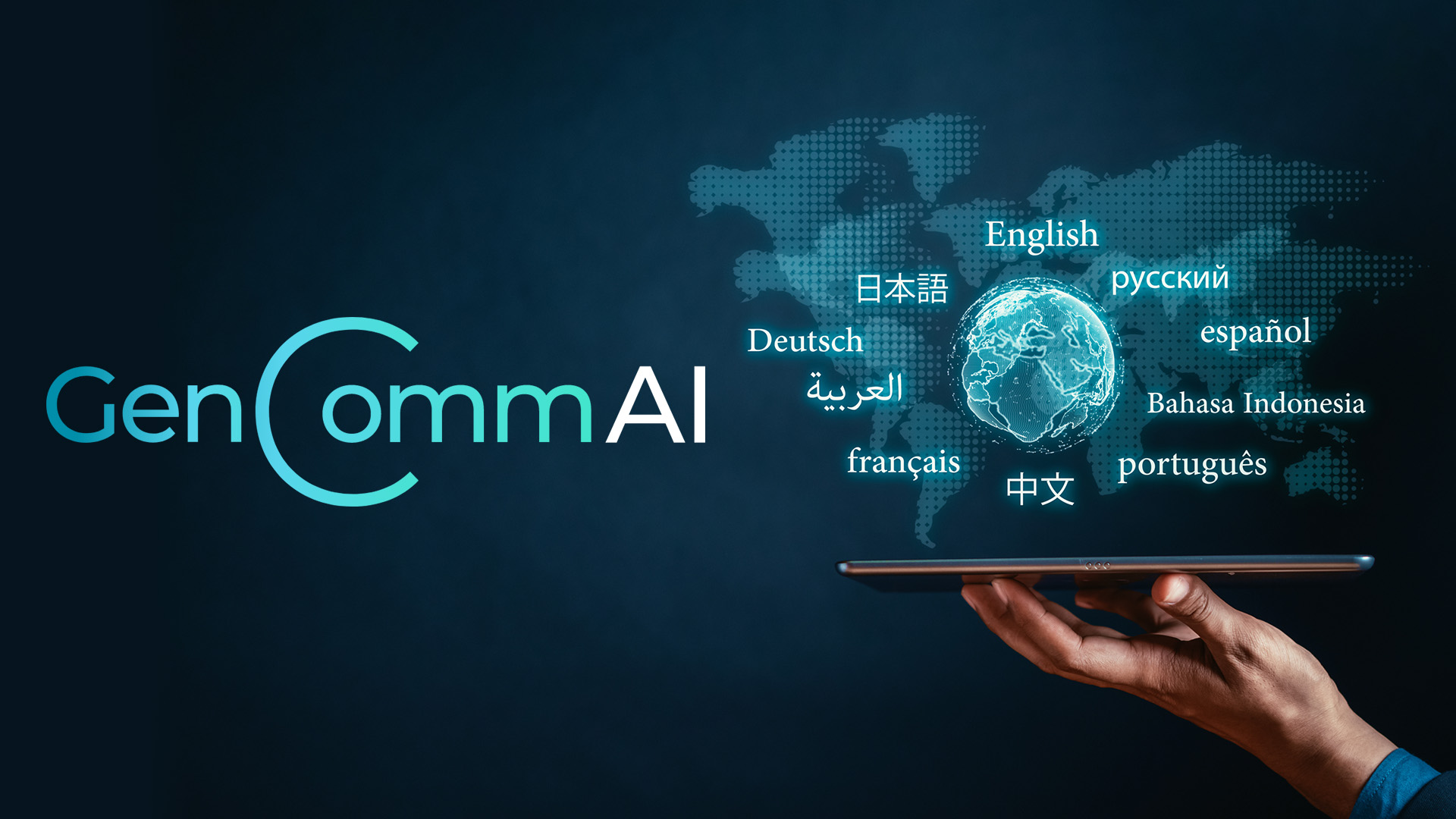
Introducing GenComm AI
AI-powered Global Customer Communications & Language Translations
SDLs GenComm AI platform enables utility and energy companies to connect with their customers efficiently and cost-effectively in their preferred language. Through advanced AI-driven translation technology, GenComm AI offers cost savings of up to 80% compared to traditional manual translation methods.
The platform provides a solution to the growing need for accessible and compliant communication with Limited English Proficiency (LEP) audiences, addressing regulatory requirements while improving customer experience.
Key Features of GenComm AI:
Create and Translate: Streamlines the creation of multilingual communications and offers instant translations in over 130 languages, ensuring consistent and accurate messaging across all platforms.
Proprietary Intelligent Content Hub, ADAM: Enables seamless integration of legacy systems with AI solutions, ensuring data protection, document context, and workflow approvals while maintaining quality assurance.
Single-instance Translation: Translates content once, no matter how often it’s reused across different channels, reducing inconsistencies and translation costs.
Significant Cost Savings: By reducing reliance on manual translations, the platform offers up to 80% in cost savings, making it a game-changer for organization’s needing to communicate at scale.
For more information contact:
Brian Snider, Global CMO
briansn@solutiondynamics.com